
The APERIO Medicine Assisted Therapy Program

Our Treatment Program
At Aperio Trauma Clinic, Medicine-Assisted Therapy is delivered as a structured therapeutic program, not a stand-alone medicine session.
The treatment process combines carefully supervised medical care with psychological therapy before, during, and after treatment. This model is designed to maximise safety, therapeutic benefit, and long-term outcomes.
Our approach recognises that meaningful recovery often requires more than symptom relief alone. Preparation, support, and integration are essential parts of treatment.
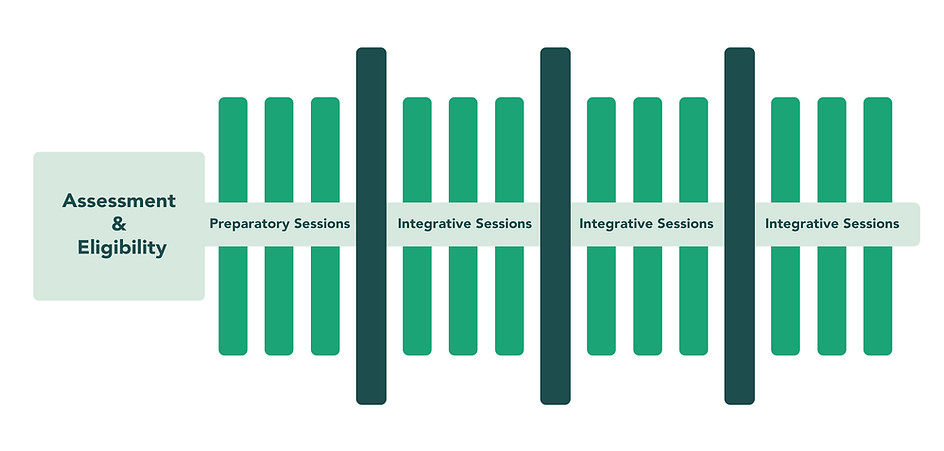
How long does the program take?
Most patients complete the program over 12 to 15 weeks, depending on their clinical presentation, readiness, treatment response, and scheduling needs.
The program begins with an assessment and preparation phase, followed by three dosing cycles. Each dosing session is supported by three integration sessions to help process and consolidate the experience.
Progress through the program is tailored to the individual, ensuring the pace and structure align with each person’s needs and circumstances.
Assessment & Eligibility
At Aperio Trauma Clinic, every patient completes a comprehensive assessment process to determine whether our treatment pathways are clinically appropriate, safe, and likely to be beneficial.
Our assessment considers both medical and psychological suitability, in line with current Australian regulatory requirements, clinical criteria, and professional judgement. As with all specialist treatment programs, there are circumstances where participation may not be appropriate.
You may be asked to see your GP for relevant physical health checks and to provide information regarding any current diagnoses, medications, or medical conditions. This helps ensure treatment planning is safe, coordinated, and tailored to your needs.
The assessment process also includes a detailed psychological review, which may involve questionnaires, clinical history gathering, and consultation with a member of our team.
All information is carefully reviewed by our clinical team, including our authorised prescribing psychiatrist, before a decision is made regarding eligibility and suitability. You will then be contacted to discuss the outcome and recommended next steps.
Preparing for Treatment
Where appropriate, treatment preparation may involve collaboration with your existing treating team, including your GP, psychiatrist, or psychologist.
Some individuals may need changes to current psychiatric medications prior to commencing treatment. Any medication adjustments are managed gradually and under appropriate medical supervision. We strongly value continuity of care.



Preparation sessions
Psychological preparation is an essential part of the Aperio program and is designed to support safety, readiness, and therapeutic outcomes. This stage typically includes sessions with our psychiatrist and several preparation sessions with the lead therapist who will guide you throughout the program.
During preparation, you will work closely with the clinical team to:
-
clarify your goals and intentions for treatment
-
explore hopes, concerns, and expectations
-
build trust and therapeutic rapport
-
understand the treatment process and what to expect
-
develop skills to remain open, grounded, and engaged throughout the experience
Meaningful therapeutic work can sometimes involve emotionally challenging experiences, both during treatment sessions and in the weeks that follow.
Preparation sessions help you develop practical strategies for managing these experiences, identify external supports that may be helpful, and understand how our team will support you throughout the process.
Strong preparation often plays a significant role in creating a safe and effective treatment journey.

Integration sessions
Integration sessions are a vital part of the Aperio treatment program.
Following treatment sessions, participants attend structured psychotherapy appointments to help process and integrate any insights, emotional experiences, or shifts that may have emerged during treatment.
The goal of integration is to support meaningful and lasting change by helping translate therapeutic experiences into new ways of:
-
thinking
-
feeling
-
behaving
-
relating to others
-
experiencing yourself and the world
The Integration sessions also provide space to work through any difficult, confusing, or emotionally intense experiences that may arise.
Therapeutic experiences can vary significantly. Some people describe moments of clarity, emotional release, or renewed perspective, while others may encounter discomfort, uncertainty, or challenging material.
Ongoing psychotherapy helps make sense of these experiences and supports the process of turning insight into real-world change.



Program Commitment & Expectations:
The Aperio treatment pathway is a comprehensive therapeutic process that typically takes 12 to 15 weeks to complete, depending on individual needs and clinical planning.
Participation in the full program is important. This includes assessment, preparation, treatment sessions, integration therapy, and outcome monitoring. In some circumstances, treatment plans may be adjusted if continuing is not clinically appropriate or in the patient’s best interests.
A Catalyst for Ongoing Change
Our program is designed to help initiate a deeper process of psychological healing and change. For many people, the most meaningful benefits continue to unfold over the months following treatment.
Lasting outcomes are strengthened when patients continue to engage in:
-
ongoing psychological therapy
-
healthy routines and lifestyle changes
-
nervous system regulation practices
-
behavioural change aligned with treatment goals
-
supportive relationships and community connection
Treatment is best understood as the beginning of a recovery process rather than a stand-alone solution.
Important Considerations
This form of therapy can be emotionally and psychologically demanding. At times, the process may involve confronting difficult feelings, memories, or patterns.While many individuals experience meaningful benefit, this treatment is not suitable for everyone, and outcomes vary between people.As an emerging area of mental health care, current evidence is promising, particularly for trauma-related and treatment-resistant presentations, but no treatment can guarantee results for every individual.
Find Out If It Is Right for You
If you would like to learn more about our assessment process, treatment pathway, or whether this approach may be appropriate for you, we welcome you to contact our team.